Moving Cinema
La muchedumbre reaparecerá siempre
Carolina Astudillo
Sinopsis
He would like to pause for a moment, to awaken the dead and put the past back together. This sentence that the German philosopher Walter Benjamin wrote in Thesis IX in his Essay On the Concept of History, will be used as the starting point for this piece.
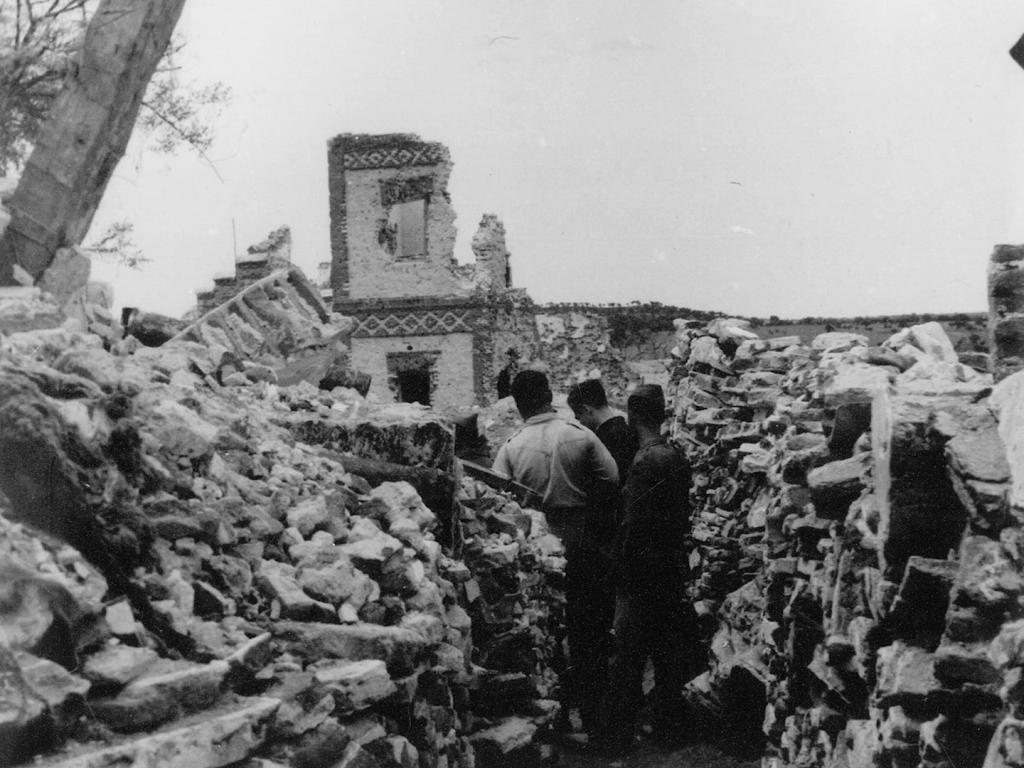
The ruins left by Spanish Civil War in Ciudad Universitaria, observed by a man and filmed by a group of post-war filmmakers, are a gesture of resistance against oblivion and bring the dead back to life. Ciudad Universitaria became a trench, a republican symbol and the place through which Franco’s troops entered.
The war erodes the landscape, it gives it a new meaning.
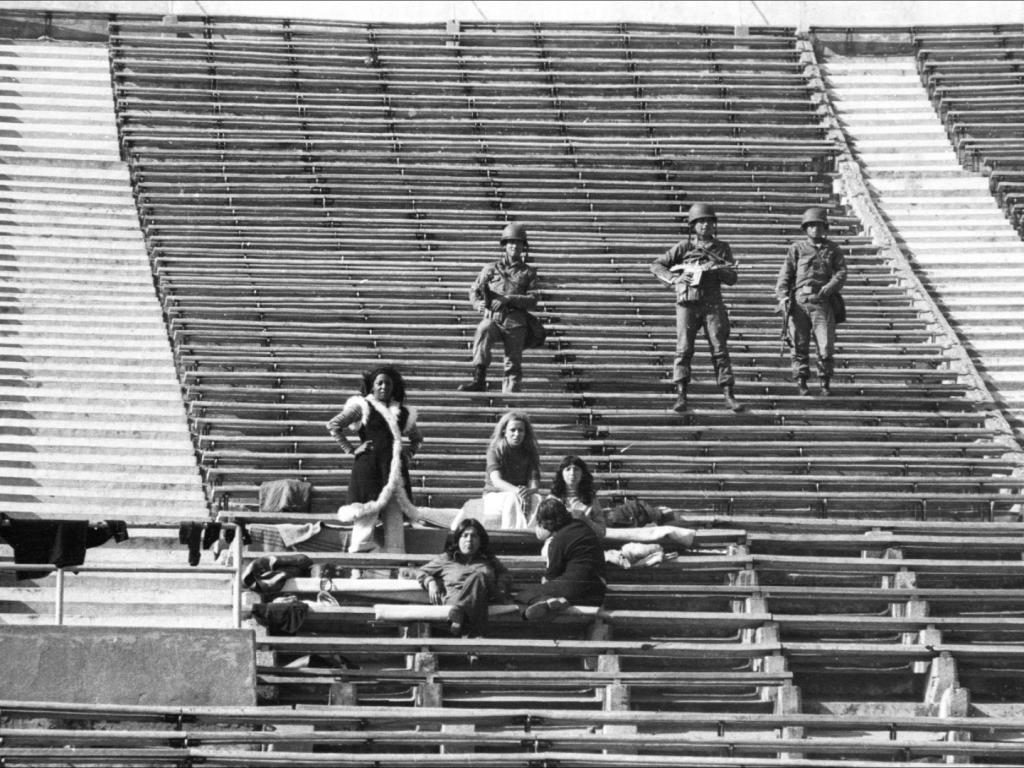
In Chile, the National Stadium built in 1938, became a concentration camp during the Military Dictatorship of Augusto Pinochet. A man visits him after fifty years. He was there, he did not experience a war, although the Chilean right-wing wanted to call it that.
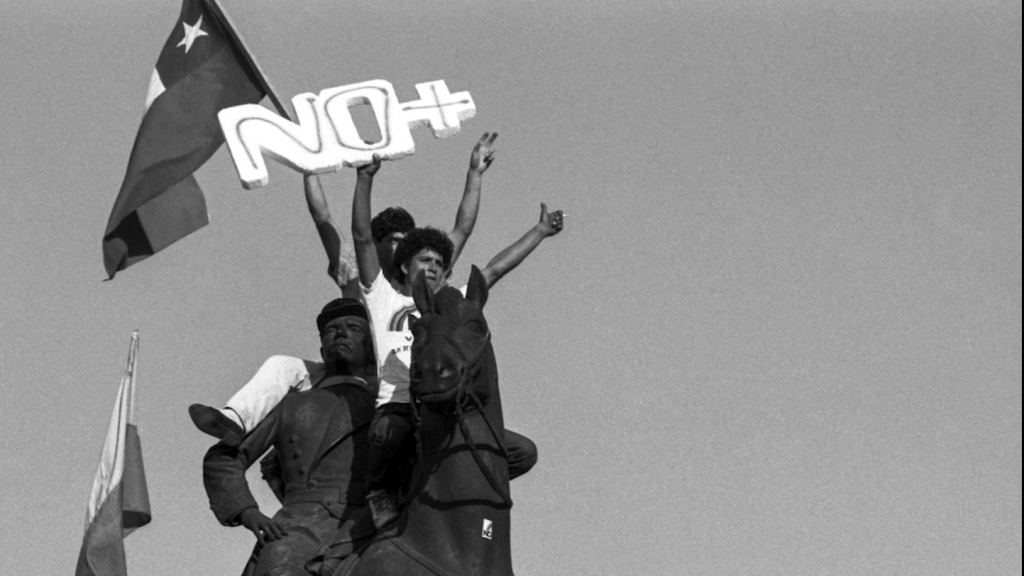
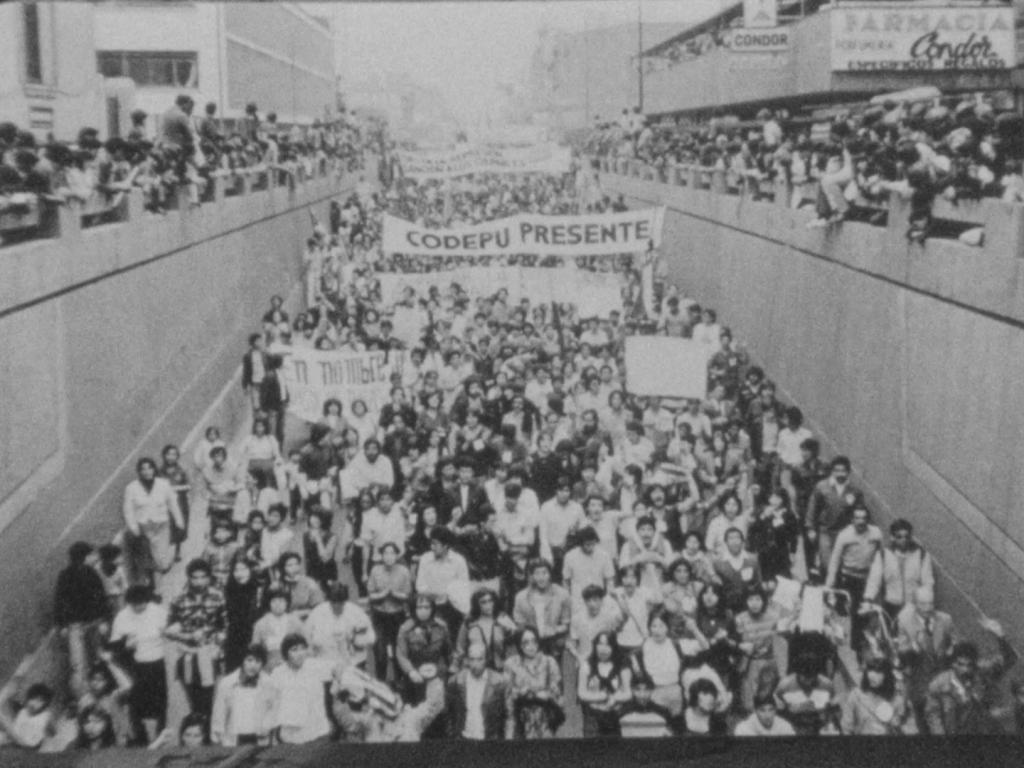
They couldn’t silence them. And there are the images of a group of male and female photographers who, during the eighties, dedicated themselves to photographing marches, protests, funerals and police repression. The history of the vanquished is also a history of the resistance.
Programmed by
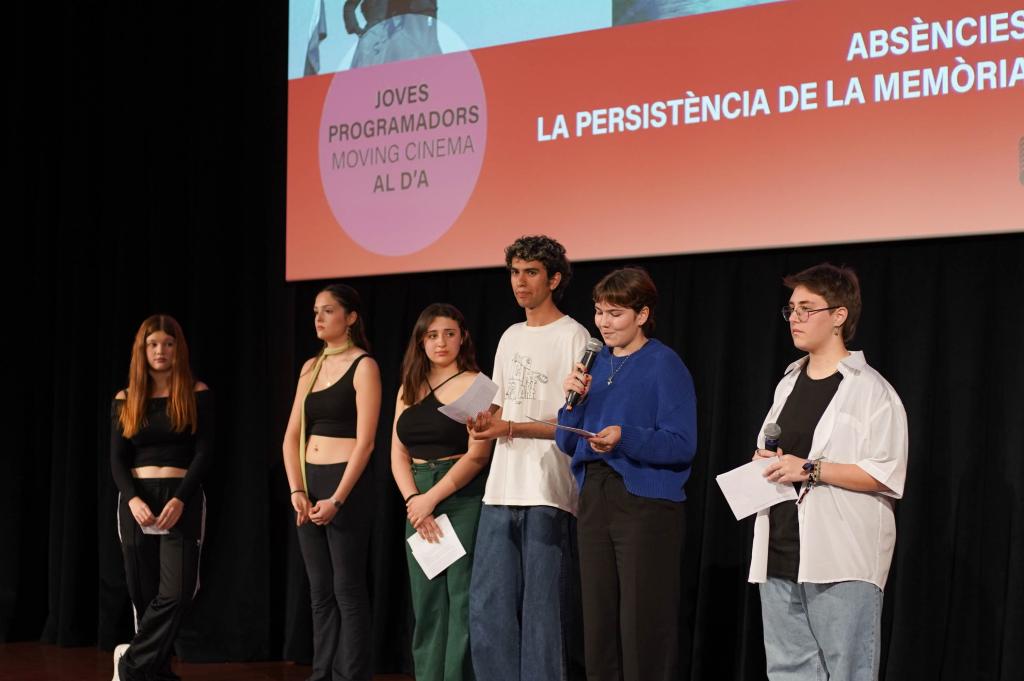
Programmed along with



A project led by

with





Co-founded by

Previous editions